


July 1, 2026 · 9 min read · By Kris Haamer
Mucha Was Designing Systems, Not Just Posters.
The real legacy of Alphonse Mucha is not a style to imitate. It is proof that a repeatable visual system can still feel intensely authored.
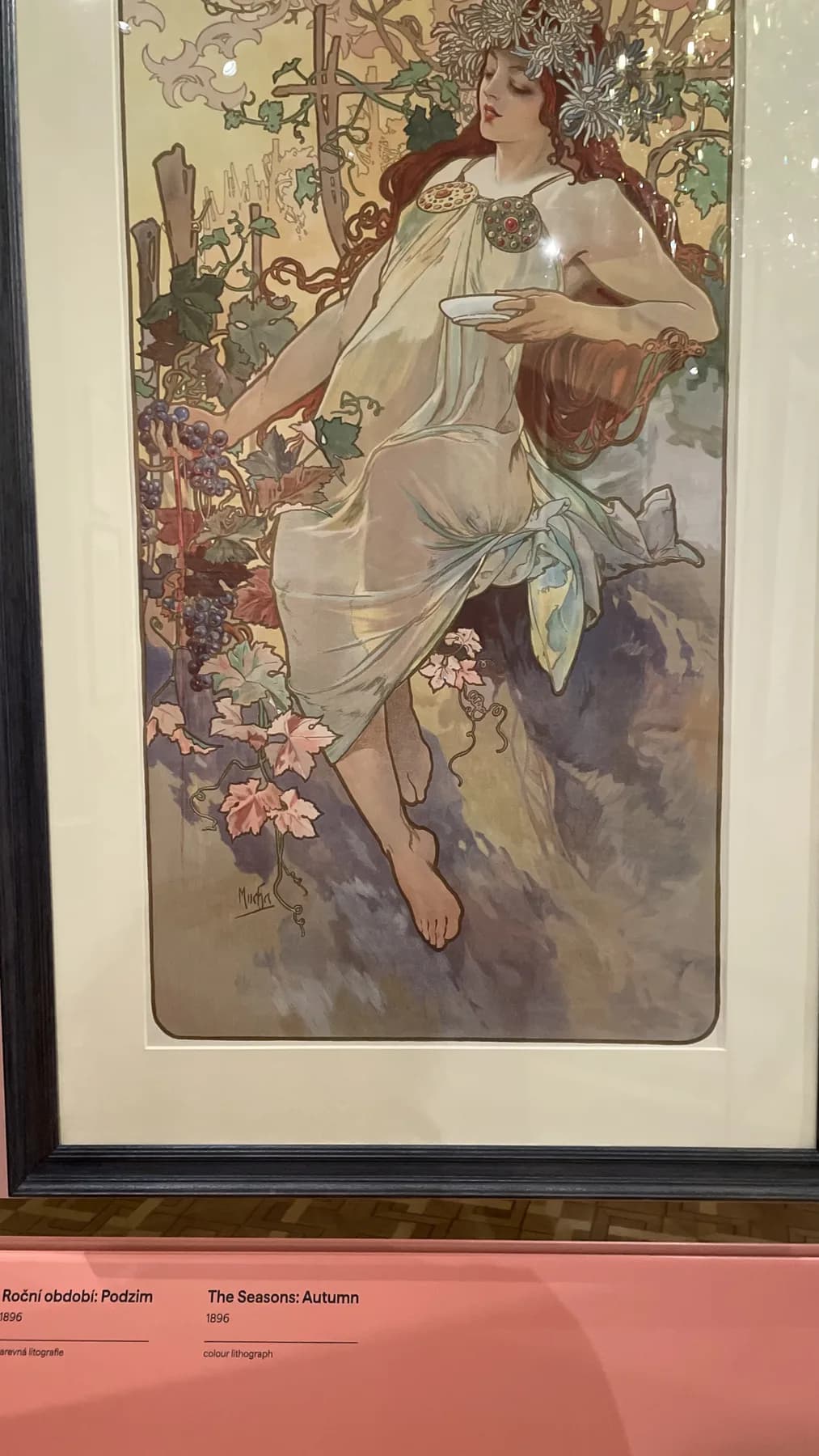
Mucha is usually reduced to a surface: flowing hair, flowers, halos, ornamental borders, and elegant figures. That reading turns a working design method into a mood board.
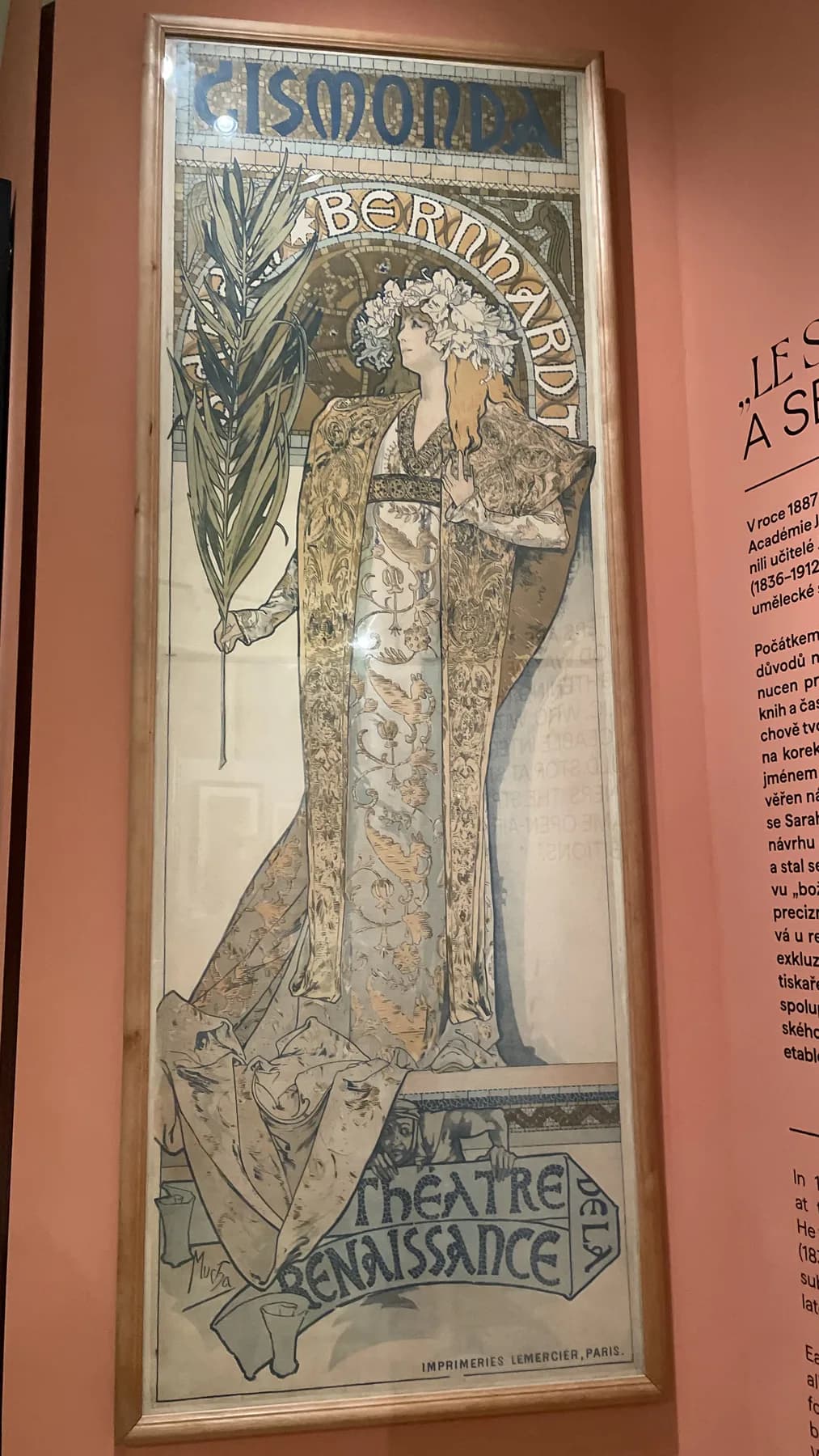
His stronger lesson is structural. Repeated compositions, typographic zones, frames, symbols, and image hierarchies created a recognizable system that could move across posters, packaging, publications, interiors, objects, and national imagery without becoming anonymous.
01
Every technology gets a face
Late nineteenth-century printing technologies could reproduce color, type, illustration, and advertising at new scale. Mucha did not treat that machinery as neutral distribution. He gave it a face people could recognize from the street.
The same question returns with AI. A new production technology can increase output, but output alone does not create culture. Someone still has to decide what the system values, repeats, excludes, and makes memorable.
02
A style is a set of rules
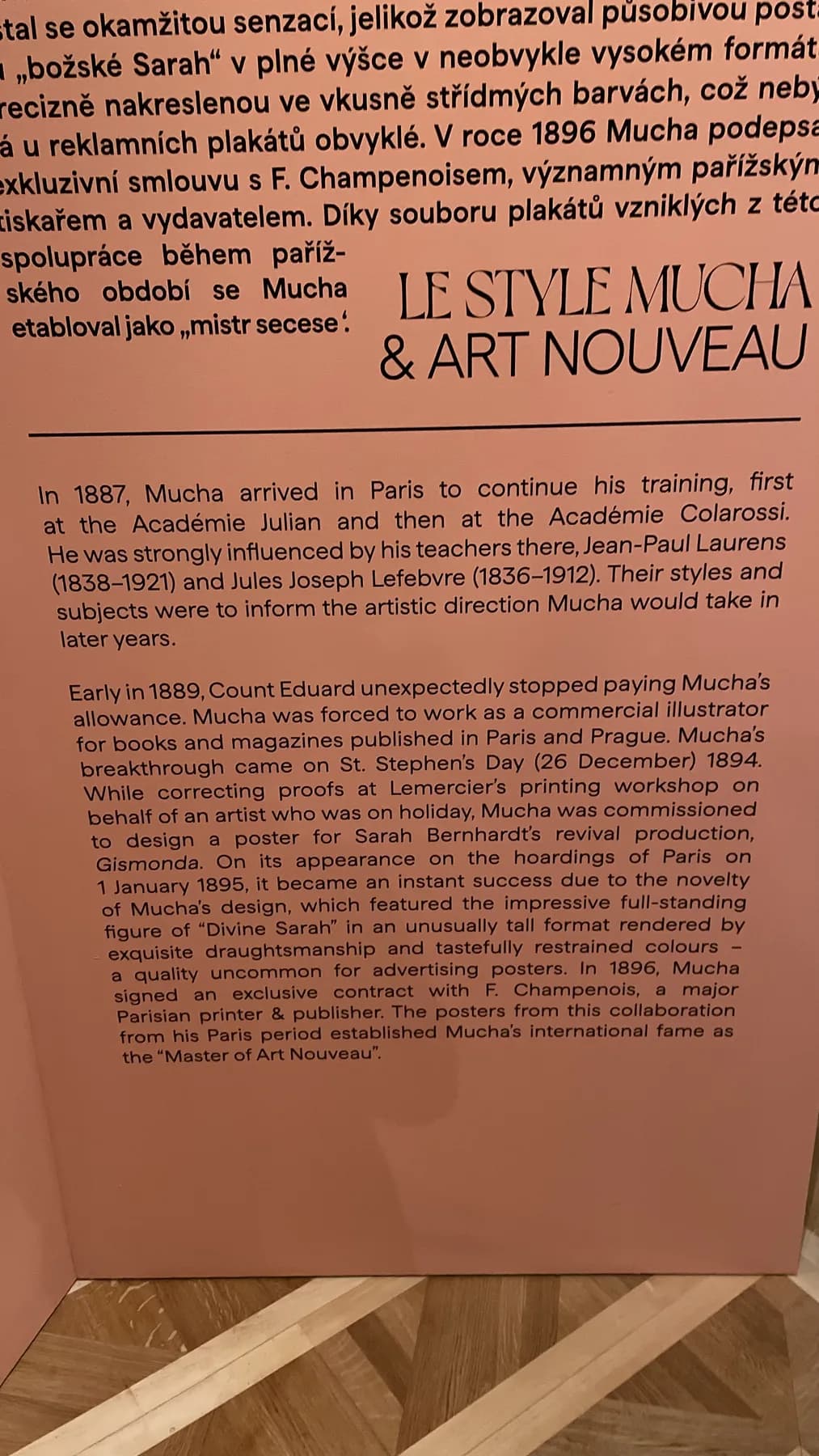
Mucha's work feels abundant, but the abundance is disciplined. Figures occupy clear zones. Circular motifs focus attention. Borders contain the image. Lettering, ornament, and subject matter form a hierarchy.
This is what product teams often miss when they copy the visible features of a style. The flower is not the system. The system is the relationship between image, text, frame, rhythm, and recognition.
03
A poster can be an interface to a world
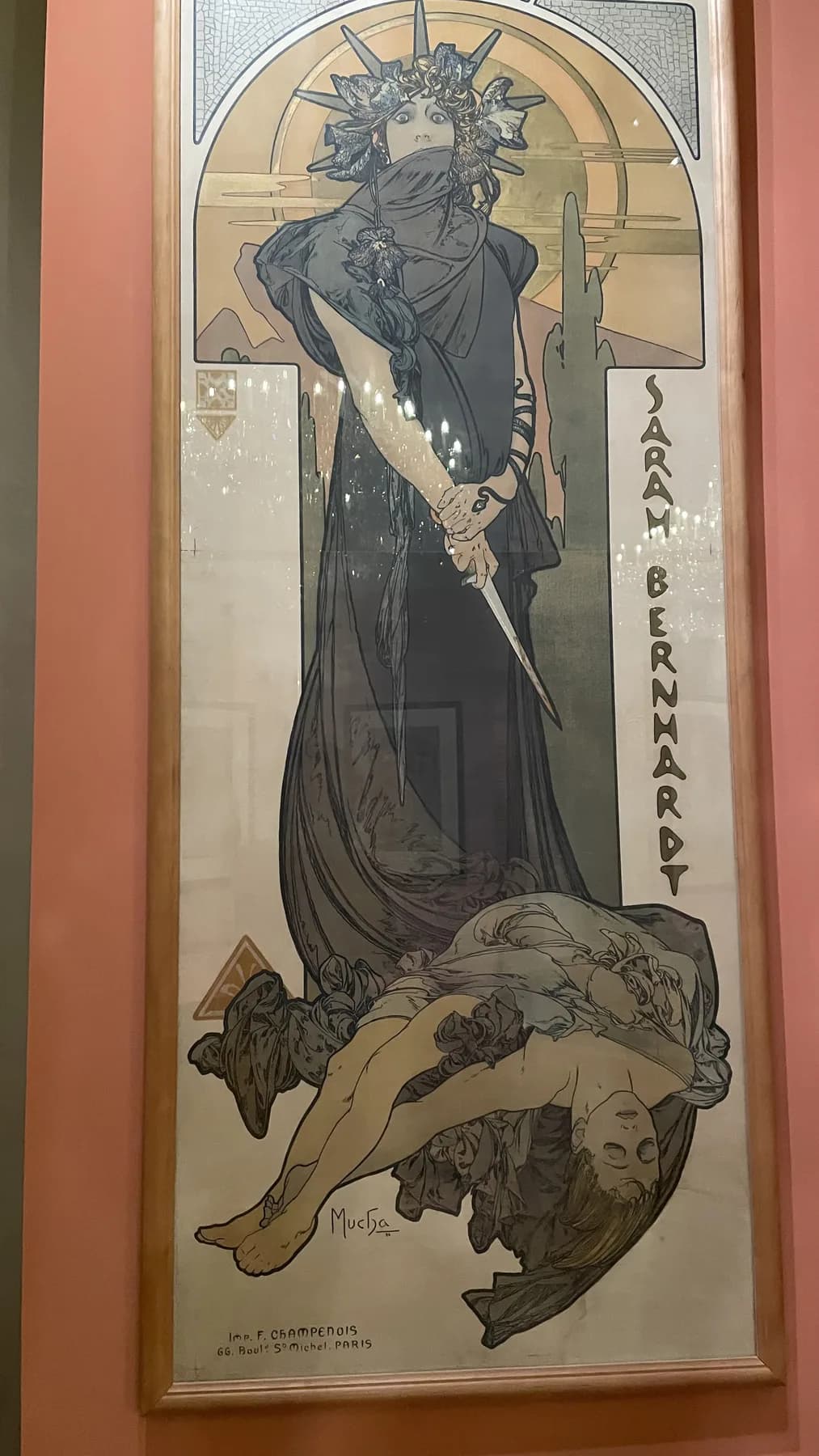
A successful poster does more than announce an event or sell a product. It opens a world that continues beyond the paper. The viewer recognizes a character, atmosphere, promise, and social identity before reading every word.
Digital interfaces need the same capacity. A page should not only deliver information. It should make the larger world of the institution or product feel coherent enough to enter.
04
Beauty is not the opposite of function
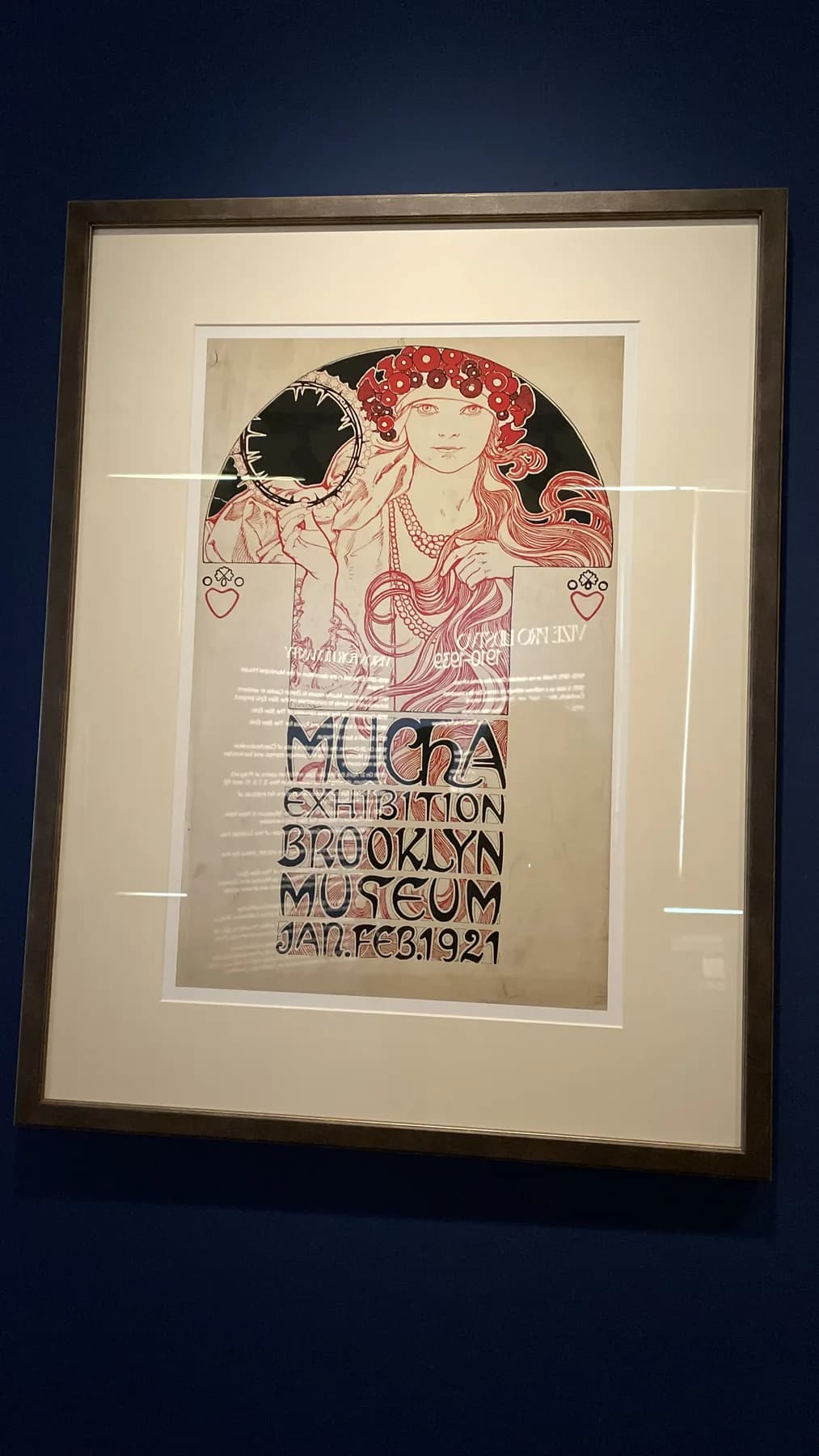
Modern product culture often treats expression as decoration added after usability has been solved. Mucha's work shows a different model: ornament can establish hierarchy, rhythm, memory, and emotional access.
The problem is not beauty. The problem is beauty without structure, or structure without character. Good interaction design needs both clarity and a reason to care.
05
The state also has a visual interface
Mucha moved between commercial image-making and civic or national projects. The same ability to create recognizable symbols could sell a performance, represent a public institution, or support a collective story.
Governments, museums, and public services still operate through visual interfaces. Forms, websites, signs, stamps, receipts, and public information shape whether an institution feels distant, trustworthy, local, or alive.
06
Mucha versus AI sameness
Generative systems are excellent at reproducing the statistical surface of a style. They can produce endless ornamental women, decorative borders, and Art Nouveau curves. That is precisely why the surface is no longer enough.
The opportunity is to use AI inside a stronger authored system: clear rules, meaningful constraints, visible provenance, and deliberate exceptions. Consistency without rigidity is more valuable than infinite variation without memory.
07
From poster logic to browser logic
A historical style becomes useful to web development when it is translated into decisions a browser can apply: tokens, proportions, layout rules, typographic zones, component states, and responsive behavior.
HAAM's Art History Web Studio starts with Mucha and makes that translation visible. The goal is not to make every website look like an 1890s poster. It is to show how a recognizable cultural grammar can become a maintainable digital system.
08
What product teams can borrow
Build a visual grammar rather than a folder of components. Decide what repeats, what changes, and what must remain recognizably yours. Let the system create continuity across marketing, product, service, and physical space.
Mucha's legacy is not permission to add more ornament. It is permission to make systems with a soul: serious craft, visible authorship, and a repeatable structure that does not erase the person behind it.
Sources and further reading