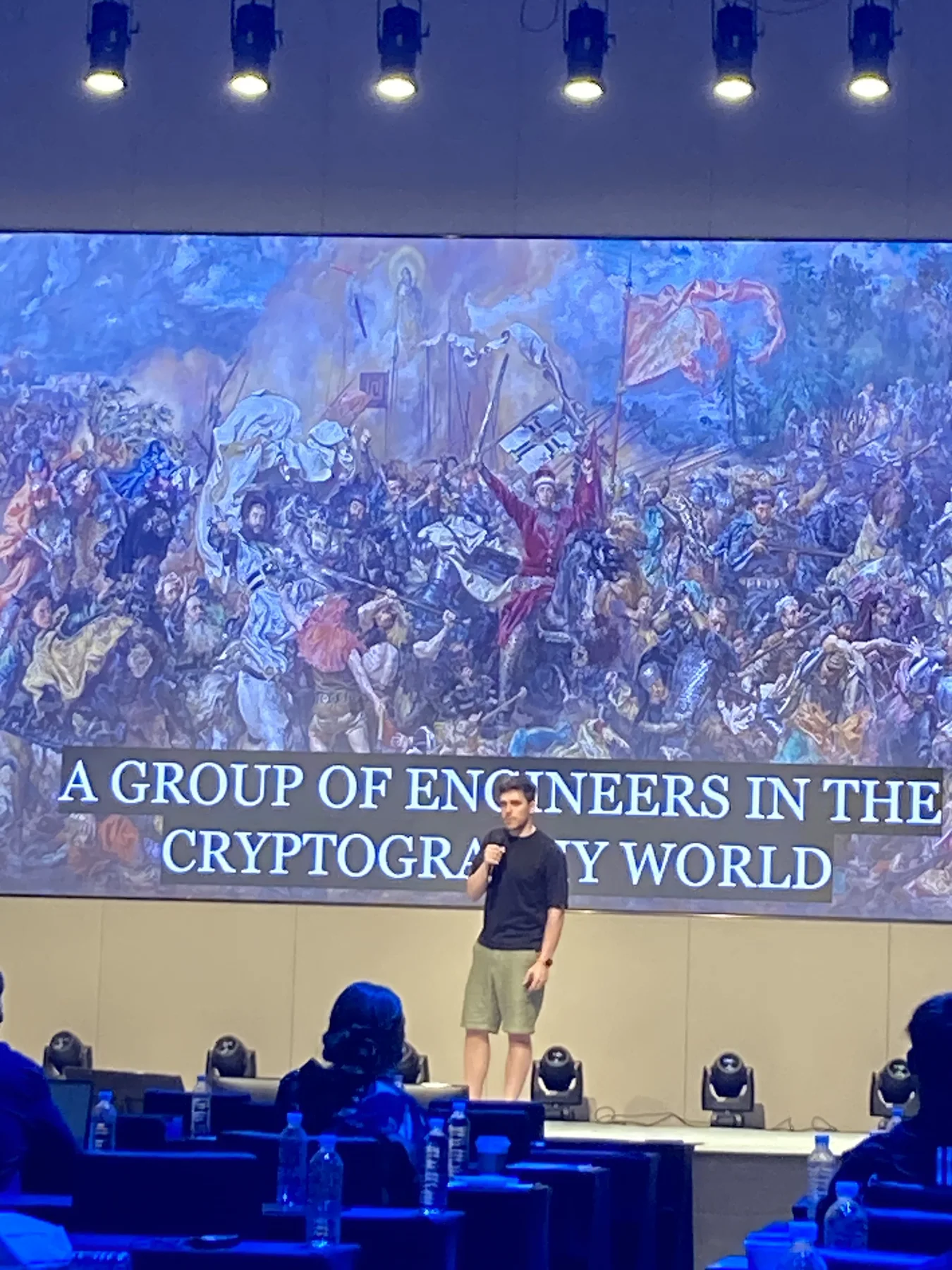
The ZK Layer Was Also a Social Layer in Seoul
A Seoul field note from ETH Seoul: cryptography talks, proof systems, censorship-resistance slides, POAP rituals, prize moments, and the city context around a technical community.

@kris
Founder, HAAM - Web developer & designer
Tallinn, Estonia / Taipei, Taiwan
Web developer and designer building usable, beautiful web experiences. Founder of HAAM.
Activity
Everything Kris Haamer has published on HAAM, newest first.

A Seoul field note from ETH Seoul: cryptography talks, proof systems, censorship-resistance slides, POAP rituals, prize moments, and the city context around a technical community.
How characters, storyworlds, cultural assets, and licensing systems can create new product categories, from fictional-character fragrance to spaces, rituals, services, and communities.
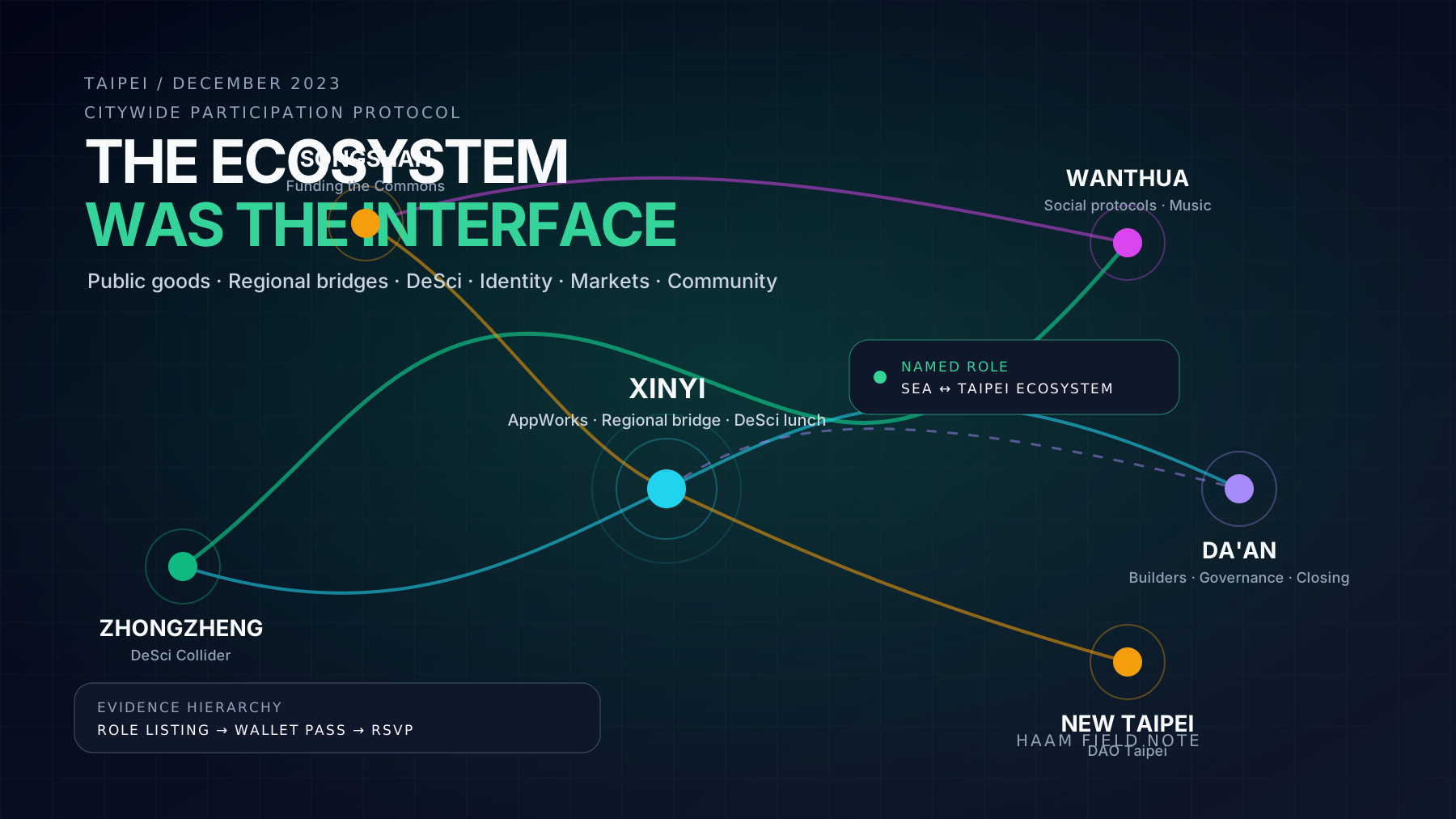
A reconstructed field note on regional ecosystem bridging, public goods, DeSci, identity, market infrastructure, and the social layer connecting a citywide Web3 week.
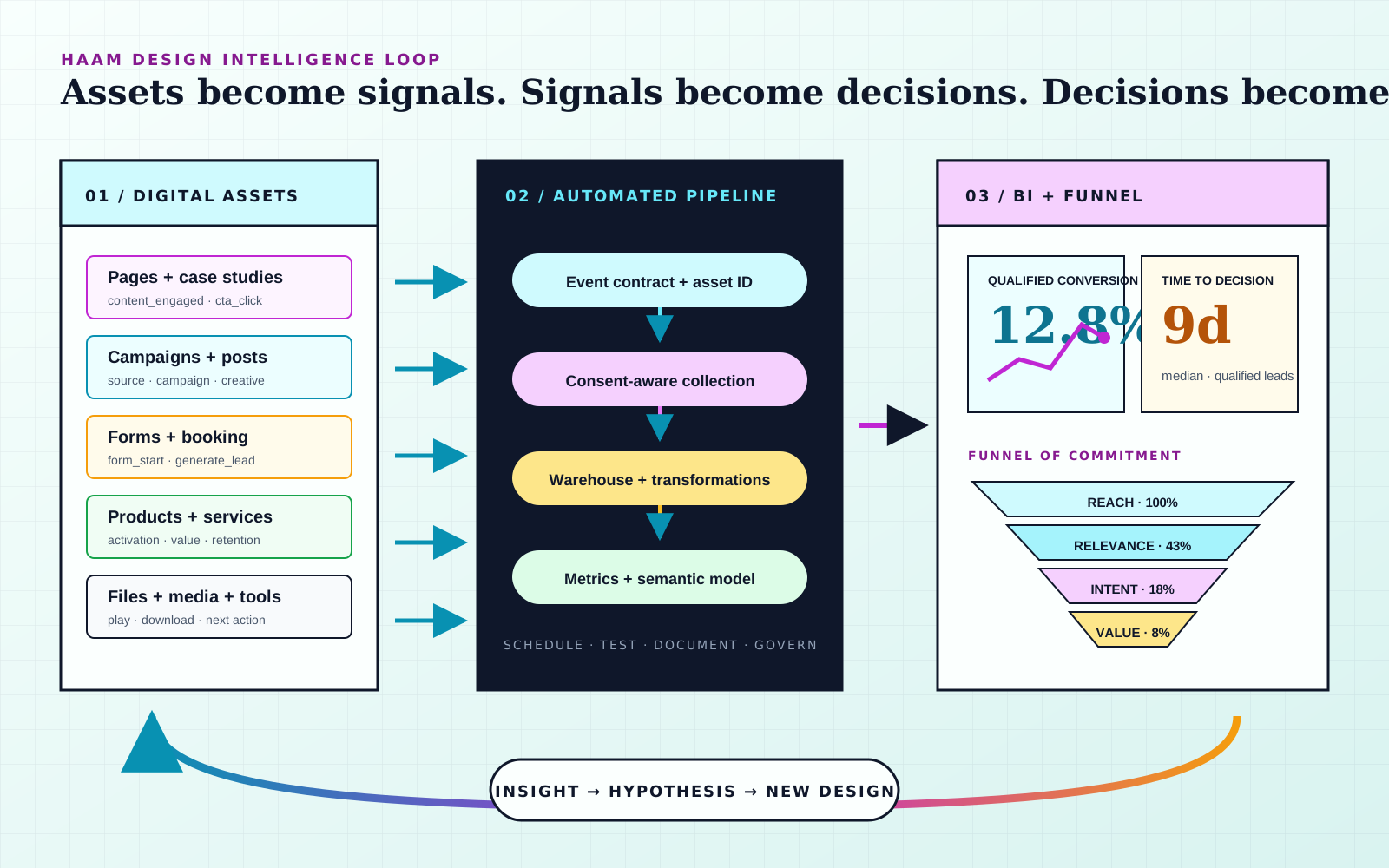
How digital assets become measurable signals, how automation turns those signals into business intelligence, and how funnels connect design decisions to business outcomes.
What NCKU's architecture studios, industrial design classes, and ICID taught me about treating every digital product as an intervention in a place with history.
From grids and motion to probability, optimization, and AI, design turns mathematical relationships into things humans can see, use, and trust.
Why familiar dramatic ideas can remain deeply attractive, and what narrative design shares with interaction design.
Notes from Tainan on why products, interfaces, places, and campaigns need cultural roots before they can carry meaning.
How cultural mapping can turn places, stories, routes, archives, and audiences into a living urban interface.
Why belonging, reflection, conversation, and play should be treated as interaction design requirements.
A reconstructed field note on workouts, AI agents, tokenized bao, crypto comedy, event overload, and Hong Kong as the interface connecting it all.
Mariana Lin shaped Siri's character, Apple engineered its prosody, and OpenAI protects its timing. Together, they show why voice interfaces are written, synthesized, and networked at once.
A first-person retrospective on AI Frontiers 2017, where assistants, video understanding, self-driving cars, and applied deep learning revealed interface problems AI still has not solved.
How vertical drama compresses classical storytelling into hooks, emotional spikes, cliffhangers, retention metrics, and purchase decisions.
Remote design roles increasingly expect functional prototyping, coding agents, AI media workflows, and design engineering. Here is what the new stack is actually for.
What I learned after scanning years of Taiwanese receipts: a national system connecting tax enforcement, retail data, lotteries, private apps, and privacy.
How mobile fiction combines storytelling, interface design, paid acquisition, payments, localization, and AI into one tightly engineered system.

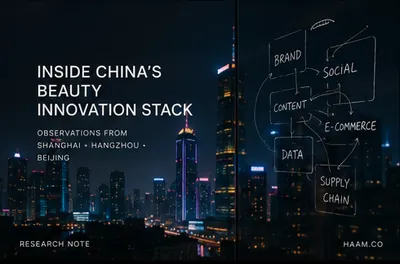
Field observations from CiE 2026 in Hangzhou on how Chinese beauty brands connect research, packaging, manufacturing, commerce, and consumer experience.
Why adaptive products should ask about changing user intent instead of turning historical behavior into a permanent judgment.
Lessons from the World Cleanup app about open-source afterlives, public-interest technology, and designing responsible endings.
A case-study view of web quality across accessibility, performance, privacy, and environmental impact.
How psychological safety, prototypes, and reversible decisions help people and product teams learn faster.
What greetings, silence, and personal space reveal about cross-cultural interaction design.
A practical argument for generative UI with stable rules, accessible fallbacks, and meaningful user control.
Why appropriate technology begins with local knowledge, interoperability, and power—not imported novelty.
What waste maps, sensors, and Taiwan's garbage-truck applications teach us about making public systems legible.
A broader philosophy of maintenance across software, health, buildings, communities, and relationships.
A proposal for turning fragmented water-quality data and urban swimming initiatives into an understandable public service.
A proposal for using film, interaction, and local voices to reveal the living worlds contained inside works of art.
How interfaces distribute knowledge, aggregate consumer demand, and influence environmental market standards.
Optional Google Analytics and Microsoft Clarity measure content performance and usability. They load only if you allow them. Form values, email addresses, and chat messages are never included in analytics events.